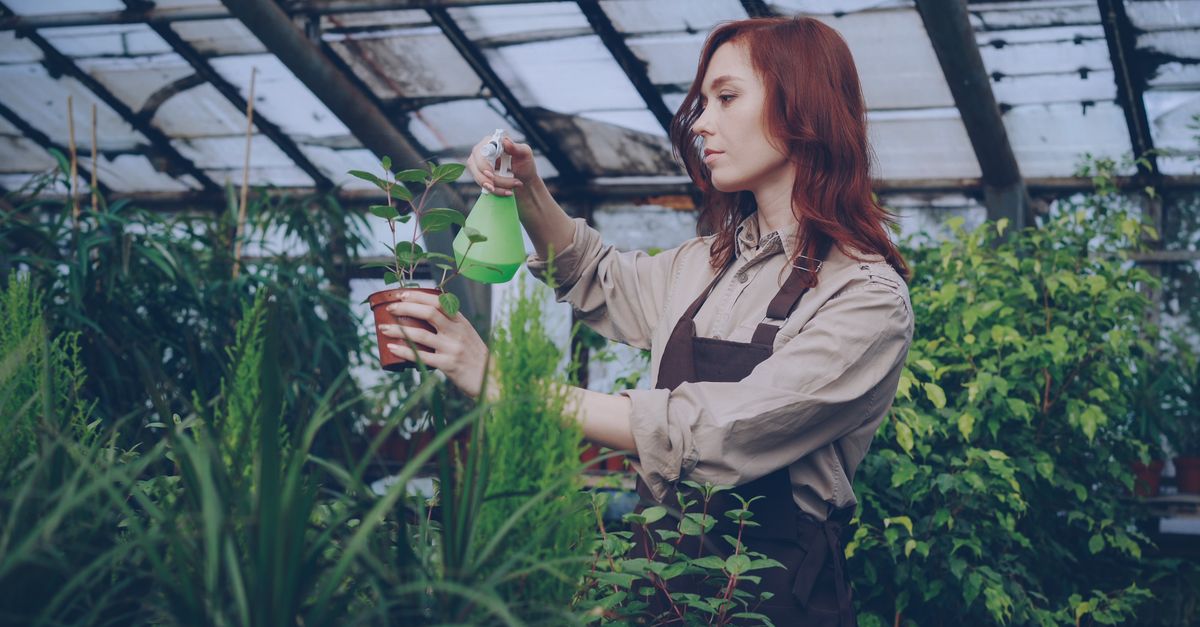
You’ve seen the picture: a sun-drenched backyard, vibrant green leaves, ripe tomatoes hanging heavy on the vine, a basket overflowing with fresh herbs. You’ve imagined stepping outside to pick your dinner, the satisfaction of growing your own food, the peace of mind that comes with connecting to nature. So, you bought some seeds, maybe a few starter plants, dug a patch in the yard or filled some pots on the patio. You watered, you watched, and for a glorious few weeks, you felt like a true green thumb.
Then, the reality set in. Yellowing leaves. Pests munching holes in your prized basil. Tomato plants wilting despite your best efforts. Or worse, nothing grew at all. The initial enthusiasm quickly morphed into frustration, then resignation, and finally, those sad, neglected plants became another item on the chore list you eventually abandoned. Sound familiar? In my experience, the dream of a flourishing home garden is far more common than the reality, and it’s not because people lack passion. It’s because most beginner advice misses the crucial, often counter-intuitive steps that make gardening truly sustainable and enjoyable.
Key Takeaways
- Stop focusing on individual plants; instead, learn to understand your specific microclimate and soil conditions first.
- Embrace observation and slow progress over immediate perfection, treating every ‘failure’ as a data point for future success.
- Prioritize building healthy soil from the outset, as it is the foundation for resilient plants and simplifies future care.
- Choose a small, manageable starting point and expand gradually based on your proven success and available time.
The “Plant-First” Fallacy: Why You Should Start with Observation, Not Seeds
The biggest mistake I see beginners make is starting with a plant or a seed packet they saw at the store, without truly understanding the environment they’re planting into. We get excited by the idea of growing strawberries or heirloom tomatoes, but we rarely pause to ask: can my specific yard actually support this? This ‘plant-first’ mentality sets you up for failure because you’re trying to force a plant into conditions it might not tolerate.
What changed everything for me was shifting to an observation-first approach. Before I even thought about what to plant, I spent at least a week, sometimes two, simply observing my space. I noted how many hours of direct sunlight different areas received throughout the day. Was it morning sun, which is gentler, or scorching afternoon sun? Were there shaded pockets? What was the airflow like? Did water puddle after rain, indicating poor drainage, or did the soil dry out instantly? I also paid attention to the prevailing winds and any potential animal visitors. This exercise gave me invaluable data that guided my plant choices, rather than the other way around. For instance, I discovered a spot I thought was full sun only got 4 hours – perfect for leafy greens but a disaster for sun-loving tomatoes. This simple shift from ‘what do I want to grow?’ to ‘what can grow here?’ is foundational.
The Soil Secret: Why Your Garden’s Health Starts Underground (Literally)
Most beginners focus on what’s above ground: the leaves, the flowers, the fruits. They’ll buy fancy fertilizers and amendments when their plants look sad, trying to fix a symptom rather than the root cause. The hidden truth of successful gardening is this: healthy plants come from healthy soil. If your soil is depleted, compacted, or lacking in microbial life, no amount of watering or surface-level feeding will truly make your plants thrive.
I learned this the hard way, battling stunted growth and endless pest issues in my first garden. My breakthrough came when I realized I needed to feed the soil, not just the plants. This means prioritizing organic matter. Instead of buying bags of chemical fertilizers, I started regularly incorporating compost, aged manure, and chopped leaves into my garden beds. For new beds, I aimed for at least 4-6 inches of high-quality compost mixed into the top 6-8 inches of existing soil. This wasn’t a one-time thing; it became an annual ritual in early spring and fall. Healthy soil is teeming with microorganisms that break down nutrients, improve drainage and water retention, and even help fight off plant diseases. Think of your soil as a living ecosystem. When it’s vibrant, your plants will be resilient, less prone to pests, and far more productive, often needing less intervention from you.
The Pest Panic Cycle: How to Embrace Imperfection and Ecological Balance
One of the most disheartening experiences for a new gardener is waking up to find pests devouring their tender seedlings or precious produce. The instinct is often to reach for the strongest pesticide available, to eradicate every single bug. This creates a vicious cycle. Chemical pesticides don’t discriminate; they kill beneficial insects (like ladybugs and lacewings that prey on aphids) along with the ‘bad’ ones. This disrupts your garden’s natural ecosystem, leading to an even worse pest problem down the line because you’ve removed nature’s own pest control.
My personal turning point was accepting that a truly healthy garden isn’t pest-free; it’s pest-balanced. This means understanding that a certain level of insect activity is normal and even desirable. Instead of aiming for sterile perfection, I focused on encouraging biodiversity. I planted a variety of flowers alongside my vegetables to attract pollinators and predatory insects. For example, dill, cilantro, and marigolds are excellent companions that draw in beneficial bugs. When I did spot pests, my first response was manual removal (picking off caterpillars or blasting aphids with a strong stream of water). Only for severe infestations would I consider organic solutions like neem oil, always applied cautiously.
This shift in mindset took away so much stress. A few nibbled leaves are okay. It means the ecosystem is alive. Your goal isn’t to eliminate every insect, but to ensure that your beneficial insect population is robust enough to keep the destructive pests in check, creating a self-regulating system.
The Overwhelm Trap: Starting Small to Grow Big (Literally)
The vision of a sprawling garden often inspires beginners to dig up a massive plot, buy dozens of plants, and commit to an hours-long daily routine right from the start. This is a recipe for burnout. Gardening, while rewarding, requires consistent effort and learning. Overestimating your capacity and underestimating the commitment needed for a large garden leads to quickly feeling overwhelmed, and ultimately, giving up.
What truly works is to start incredibly small and scale up gradually. When I first started, I planted a single 4x4 raised bed. That was it. I chose 3-4 easy-to-grow vegetables that I knew I’d actually eat, like lettuce, radishes, and bush beans. This allowed me to learn the rhythms of watering, weeding, and basic plant care without feeling like I was drowning. I celebrated every success, no matter how small – a single radish pulled from the earth felt like a massive victory.
Only after successfully harvesting from that small bed for a full season did I consider adding another small section or a few more containers. This incremental approach built my confidence, allowed me to learn from mistakes on a small scale, and prevented the overwhelming feeling that often derails new gardeners. Remember, a thriving 4x4 bed is infinitely more satisfying than an abandoned 20x20 plot.
Water Wisdom: Beyond “Water When Dry”
“Water when the soil is dry” is common beginner advice, and while it’s not entirely wrong, it’s often too simplistic and leads to either overwatering or underwatering, both of which are detrimental to plants. Overwatering can lead to root rot and fungal diseases, while underwatering stresses plants and inhibits growth.
My approach evolved to focus on deep, infrequent watering and understanding the specific needs of different plants. Instead of a light daily sprinkle, which only wets the top inch of soil and encourages shallow root growth, I learned to water deeply until moisture permeated at least 6-8 inches down. This encourages roots to grow deeper, making plants more resilient to drought and temperature fluctuations. I check soil moisture by sticking my finger into the soil; if it feels dry an inch or two down, it’s time to water. However, I also pay attention to the plant itself. Wilting leaves during the hottest part of the day might be normal (they’re conserving moisture), but wilting in the morning or evening is a clear sign of thirst.
Furthermore, I learned to tailor watering to the plant’s stage of growth and the weather. Seedlings need consistent moisture, while established plants can tolerate more drying out between waterings. During hot, windy spells, plants need more water; during cool, cloudy periods, less. Investing in a simple rain gauge also helped me understand how much natural precipitation my garden was actually getting, reducing unnecessary watering. This nuanced approach to watering has saved countless plants and significantly reduced my garden maintenance.
The Beginner’s Learning Curve: Embracing Failure as Your Best Teacher
Many new gardeners expect immediate success. They see perfect gardens online or in magazines and believe that any less-than-perfect outcome is a personal failure. This expectation often leads to discouragement when reality inevitably falls short. The truth is, gardening is a continuous learning process, and ‘failures’ are your most valuable lessons.
I’ve killed more plants than I can count in my gardening journey. My first attempt at growing cucumbers resulted in powdery mildew covering every leaf. My first tomatoes were ravaged by blight. Each of these moments, while frustrating at the time, taught me something crucial. The powdery mildew taught me about air circulation and proper spacing. The blight taught me about selecting resistant varieties and good garden hygiene. Instead of viewing these as setbacks, I began to see them as data points that informed my next season’s decisions.
Keep a simple garden journal. Note what you planted, when, where, and how it performed. Did a plant thrive in one spot but struggle in another? Did pests appear after a certain type of weather? These notes become an invaluable reference, helping you adapt and refine your approach year after year. The gardeners who succeed aren’t necessarily those with a magic touch; they’re the ones who observe, experiment, learn from what doesn’t work, and keep trying. Embrace the journey, and understand that every season offers new insights.
Frequently Asked Questions
Q: What are the easiest vegetables for a beginner to grow?
A: For absolute beginners, I highly recommend starting with leafy greens like lettuce, spinach, and Swiss chard, as well as radishes, bush beans, and snap peas. These are generally less demanding, have shorter growing seasons, and provide quick successes that build confidence. Herbs like basil, mint, and parsley are also very forgiving in pots or beds.
Q: How much sunlight does my garden actually need?
A: Most fruiting vegetables (like tomatoes, peppers, squash) need at least 6-8 hours of direct sunlight per day to thrive and produce well. Leafy greens and root vegetables can often do well with 4-6 hours of direct sun, or even a bit of partial shade, especially in hotter climates. Observe your space for a full day before planting to accurately assess your sun exposure.
Q: Do I need to buy expensive raised beds or can I just plant in the ground?
A: You absolutely do not need expensive raised beds. Planting directly in the ground is perfectly fine, especially if you have good soil. Raised beds can be beneficial for improving drainage, warming soil earlier in spring, or managing poor native soil, but they are not a requirement for success. Start with what you have, and focus on improving your existing soil.
Q: How often should I fertilize my plants?
A: If you’ve focused on building rich, organic soil from the start (as discussed above), you’ll find you need to fertilize much less frequently, if at all. For most home gardens, a biannual application of compost (spring and fall) provides sufficient nutrients. If plants show specific signs of nutrient deficiency, consider a targeted organic fertilizer, but avoid over-fertilizing, which can burn plants or lead to excessive leafy growth at the expense of fruits.
Q: What’s the best way to get rid of weeds?
A: The most effective long-term strategy for weed control is prevention. Apply a thick layer of organic mulch (like straw, wood chips, or shredded leaves) around your plants. This suppresses weed growth, conserves moisture, and gradually breaks down to improve soil. For weeds that do pop up, hand-pull them when they are small and the soil is damp. Consistent, light weeding is far more effective and less tiring than battling overgrown weeds.
My journey from a hopeful beginner to a confident gardener wasn’t a straight line. It was filled with experiments, unexpected challenges, and plenty of learning. But by shifting my focus from individual plants to understanding my environment, nurturing my soil, embracing ecological balance, and starting small, I transformed my frustration into genuine enjoyment and a consistent harvest. Don’t let initial setbacks deter you; see them as opportunities to learn and grow. Your thriving garden isn’t just a dream; it’s a testament to patience, observation, and a willingness to learn from nature itself. Start small, be patient, and enjoy the incredible journey of growing your own food.